


16-year-old Sofia explains the reasons why TV seasons keep getting shorter and the gaps between them longer
Not that long ago, watching a TV show meant signing up for 22 episodes a year – and trusting it would be around for at least a decade. Now, however, viewers wait two or three years for six tightly packed episodes, only to hear the next season is “in development”.
As Brannon Braga, former Star Trek writer and showrunner for Voyager and Enterprise, put it, the modern eight-episode seasons feel like “Tinder relationships” compared with the “long-term” ones audiences used to have with shows.

So what exactly happened here and why? The easy answer is streaming. But that only partially explains the shift. The real story is slightly more complicated than that.
For decades, broadcast networks relied on long seasons because they had to fill a rigid schedule. From September to May,they needed fresh episodes each week to occupy prime-time slots. More episodes meant more advertising and more chances to build loyal audiences.
Shows were designed to run for years, and usually had storylines that allowed viewers to drop in at almost any point. The US medical drama series Grey’s Anatomy has followed this model for 20 years; it’s now in its 22nd season and has released more than 450 episodes.
Streaming changed that structure. Platforms such as Netflix and Disney+ aren’t tied to weekly programming grids. They don’t need 22 episodes to fill airtime. Instead, they compete for subscriptions. Therefore, a decently written eight-episode season that people can binge in a weekend became more valuable than a long one that drags. The model went from “keep viewers every Thursday at 8pm” to “make sure they don’t cancel this month”.
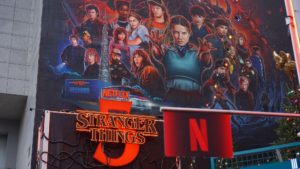
Then there’s cost. Television isn’t cheap anymore, it never was. However, it’s hard to compare a show such as Netflix’s Stranger Things – whose latest season reportedly cost around $50–60m per episode to early 2000s hits that were produced on a fraction of that budget.
Many high-end series now cost millions per episode and that’s no surprise. They are being produced with film-level cinematography, a bunch of visual effects and international shoots. A shorter season helps contain those budgets. Ten polished episodes are a lot easier to finance than 22.
Shorter seasons also reduce risk. In a crowded market with hundreds of shows released each year, it pays to be more cautious. Ordering fewer episodes allows a production company to test an idea without committing to years of production. If a show underperforms, the losses are smaller. If it succeeds, it can return – eventually.
But that ‘eventually’ is another frustration for viewers. The same ambitions that raised production quality have also significantly stretched timelines. Complex visual effects, elaborate sets and global filming schedules take time.
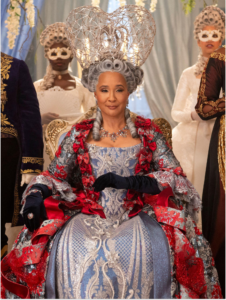
Add industry disruptions – including pandemic delays and labour strikes – and multi-year gaps become more common. In fact, they become completely normal. Take Netflix’s hugely popular series Bridgerton, now in its fourth season. Each season of the Regency-era drama has contained only eight episodes, but the gaps between seasons have ranged from 15 to 26 months.
Stranger Things creators Matt and Ross Duffer have defended long gaps between seasons. As Matt Duffer said in an interview with Variety: “If TV shows come out every year, it’s diminishing return… I like the build-up.”
Audience habits have changed too. Viewers now want quicker pacing due to having shorter attention spans (which is partially social media’s fault). The so-called “filler episodes” were once a normal part of long seasons, but now are a lot less tolerated.
Writers structure stories in a way that looks more like extended films, with clear arcs and definitive endings. The goal is to achieve less volume and more intensity.
The shift for shorter seasons hasn’t just changed TV for audiences – it changed it for both writers and actors. As streaming platforms produce fewer episodes per season, it leads to less work for them overall and fewer opportunities to earn a stable living and advance their careers. For instance, during the 2023 strike by the Writers Guild of America (WGA), union members pointed out that shorter seasons reduced jobs and pay, which they said led to poor work conditions.
None of this means long seasons are entirely gone. Sitcoms and procedural dramas on traditional television networks still run for 18 to 22 episodes. They’re just no longer the industry’s main focus. For example, CBS’s drama FBI, about a Federal Bureau of Investigations team in New York, still delivered a full 22‑episode season in 2024–25.
However, I bet you’ve never heard of this show, but have heard plenty about Euphoria, Ginny & Georgia and Bridgerton.

Edited by:

© 2026 The Oxford School for the Future