


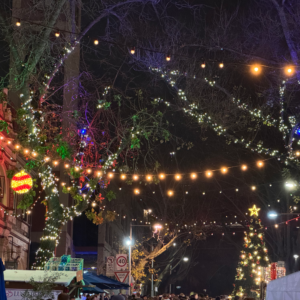
17-year-old Anastasia describes Christmas-style celebrations during wintertime in the southern hemisphere
The middle of winter brings an unexpected celebration in Australia: Christmas in July. The tradition emerged as a way to experience the cold-weather Christmas that many people associate with the festive season, something that is impossible in December during Australia’s sweltering summer.
Countries across the southern hemisphere, including Australia, New Zealand and South Africa, experience winter during June, July and August. As a result, Christmas Day on 25 December falls at the height of summer, when many Australians celebrate with beach trips, barbecues and seafood rather than roaring fires and Christmas cakes.
One popular story traces the origins of Australia’s Christmas-in-July tradition to the Blue Mountains in New South Wales. In 1980, a group of Irish visitors reportedly wandered into a hotel on a snowy July day, reminiscing about the cosy winter Christmases they had at home. The hotel manager organised a traditional Christmas feast for them, and the event eventually grew into an annual tradition.
Harbingers’ Weekly Brief
Subscribe to the Harbingers’ Weekly Brief, a newsletter written by the editorial board of Harbingers’ Magazine, the world’s youngest newsroom, delivered to your inbox every Monday morning.
![image]()
![author_bio]()
![author_bio]()


The concept, however, didn’t originate in Australia. In 1933, an American girls’ summer camp reportedly staged a “Christmas in July” celebration to break the summer heat. The phrase itself became widely recognised after the release of the 1940 screwball comedy film Christmas in July.
One of Australia’s best-known Christmas in July events takes place at The Rocks in central Sydney. With its historic sandstone buildings and narrow laneways, the area evokes the atmosphere of an old European town. During the festival, the streets are transformed with fairy lights, giant gift boxes, fake snowflakes and a towering Christmas tree that becomes a favourite photo spot for visitors.
The European-style market sells winter food, mulled wine, festive decorations and handcrafted gifts. Fire pits scattered throughout the venue offer visitors a chance to warm up, while a snow machine periodically blankets part of the market in artificial snow, delighting both children and adults.
View this post on Instagram
“The idea is really fun, and the decorations were lovely, making it a great family outing, especially for kids because they enjoy all the pretty lights,” one woman attending this year’s festival told Harbingers’ Magazine.
However, she had also been the previous year and thought most of it was the same. “It was very crowded and quite repetitive. I’d like to see something different each year that surprises people and gives them a reason to come back,” she added.
Christmas in July celebrations extend well beyond Sydney. Similar festivals are held in Canberra, the Blue Mountains, Ballarat (in Victoria) and parts of Tasmania, attracting visitors looking to embrace a traditional winter Christmas atmosphere.
For many Australians, however, Christmas in July is less about festivals and more about spending time with loved ones.
“We celebrate in July but don’t go to any festivals,” Tallulah, 15, told Harbingers’. “Instead, we decorate our house and invite family and friends over for a big feast, so it’s a nice excuse to catch up and spend time together.”
She added: “We usually celebrate around 25 July to mirror Christmas Day, but it really depends on when everyone is free. This year, for example, we celebrated a week earlier.”
Australia is not the only southern hemisphere country to embrace the tradition. New Zealand also hosts several winter celebrations, including the New Zealand Festival of Christmas and Midwinter Christmas. Restaurants, particularly in tourist destinations, commonly offer festive menus during July for those wanting to enjoy a traditional Christmas meal.
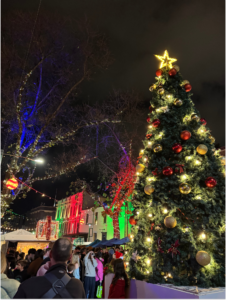
Christmas decorations in Sydney in July.
When Christmas actually arrives in December, however, Australians return to traditions shaped by the summer climate. Families often spend the day at the beach, enjoy picnics in parks or host outdoor barbecues. Fresh seafood is a centrepiece of many Christmas lunches, while pavlova topped with seasonal fruit remains a favourite dessert.
“As someone who spent my childhood celebrating snowy Christmases in Europe, I still miss drinking hot chocolate while walking through streets decorated with Christmas lights and snow-covered trees,” another interviewee told Harbingers’.
“But now that I live in Australia, I’m getting used to the tradition of securing a good spot at the beach on Boxing Day.”

Edited by:

© 2026 The Oxford School for the Future