Harbingers’ Magazine is a weekly online current affairs magazine written and edited by teenagers worldwide.
harbinger | noun
har·bin·ger | \ˈhär-bən-jər\
1. one that initiates a major change: a person or thing that originates or helps open up a new activity, method, or technology; pioneer.
2. something that foreshadows a future event : something that gives an anticipatory sign of what is to come.
We and our partners may store and access personal data such as cookies, device identifiers or other similar technologies on your device and process such data to personalise content and ads, provide social media features and analyse our traffic.
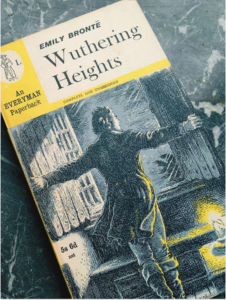
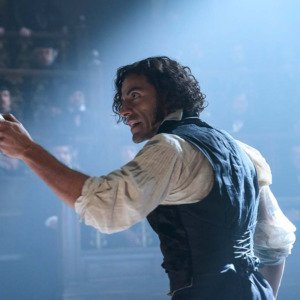
Reactions to “Wuthering Heights”, director Emerald Fennell’s very personal take on the classic 1847 novel by Emily Brontë, have been mixed, to say the least.
Some viewers are excitedby a bold, modern reinterpretation; others feel the adaptation has gone too far,claiming it strips the original of its authenticity.
These made me wonder, how much can a classic text change before it is no longer authentic, and who gets to decide?
The idea of authenticity in adapting books for film and TV is complex. Classics in particular are often treated as untouchable, framed as the ‘correct’ version of a story. Any deviation, whether it’s a modern cast, tweaks in dialogue or a shift in setting, is seen as a betrayal.
But this attitude assumes that authenticity exists only in the original text, rather than in the emotions and questions the story raises. I would argue that creative takes are not only acceptable but sometimes necessary to keep the classics alive and meaningful, especially for new generations.
Harbingers’ Weekly Brief
Subscribe to the Harbingers’ Weekly Brief, a newsletter written by the editorial board of Harbingers’ Magazine, the world’s youngest newsroom, delivered to your inbox every Monday morning.
See you on Monday!
Ooops - please try again.
The debate has intensified with Fennell’s “Wuthering Heights”. Heathcliff, the orphaned outsider, and Catherine, the headstrong daughter of a wealthy family, share a powerful, almost inseparable childhood bond, but pride drives them apart when Catherine chooses to marry for social status. Hurt and angry, Heathcliff spends years seeking revenge, causing pain for nearly everyone around him until the next generation finally begins to break the cycle.
The casting of Jacob Elordi as Heathcliff divided audiences well before the film was released, with some arguing that it overlooks a key aspect of the character’s identity.
Heathcliff is described as dark-skinned, which Elordi isn’t, and repeatedly marked as an outsider. He is also treated with suspicion and prejudice, which suggests that his marginalisation is not just social but potentially racial. Because of this, casting decisions matter: if Heathcliff’s experience of being othered is softened or erased, it can change how we understand the roots of his anger and need for revenge.
This is where the question of authenticity becomes more nuanced. Authenticity does not have to mean reproducing every physical or historical detail exactly as written, though some details carry thematic weight.
In Brontë’s novel, Heathcliff’s outsider status is not just aesthetic; it is tied to the novel’s exploration of class and power. When adaptations shift those elements, audiences may feel that something essential has been lost, even if the plot remains the same.
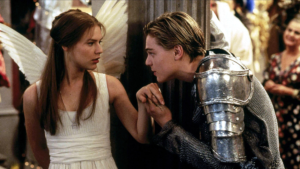
Take Romeo and Juliet, one of the most frequently adapted works in literature. Baz Luhrmann’s 1996 filmkeeps Shakespeare’s original language but places the story in a stylised modern city with guns, fast cars and neon lights.
Some found this sacrilegious, but for others, especially younger audiences, it was the first time the play felt relevant. The themes of impulsive love and conflict didn’t disappear with the modern setting; if anything, they became clearer.
The backlash to Fennell’s film follows a similar pattern. Emily Brontë’s novel is intense and it can feel distant to readers encountering it for the first time, especially in a classroom. A film that reinterprets its tone or aesthetic risks criticism, but it also opens a door for viewers who might never have picked up the book.
If an adaptation preserves the emotional core: obsession, isolation, love and revenge, does it really matter if the presentation looks different?
Part of the resistance to change may come from how our brains respond to familiarity. The more we encounter something, the more comfortable and emotionally attached we become to it. Neuroscience calls this “mere exposure effect”.
Juliet (Claire Danes) and Romeo (Leonardo DiCaprio) in Baz Luhrmann’s ‘Romeo + Juliet’ (1996).
Familiar stories activate the brain’s reward and emotional centres, including the amygdala, which plays a key role in processing emotional significance and detecting perceived threats. When an adaptation changes a beloved story, the amygdala may trigger discomfort or defensiveness because the brain interprets the unfamiliar version as a disruption of something emotionally safe.
Nostalgia also plays a role. Originals often become tied to personal memories, making adaptations feel like an intrusion rather than an interpretation.
But discomfort does not mean something is wrong. Classics have survived not because they remained unchanged, but because each generation reinterpreted them through its own cultural lens. Shakespeare himself borrowed heavily from existing stories, his famous tragedy closely following Arthur Brooke’s 1562 poem ‘The Tragical History of Romeus and Juliet’.
If we demanded absolute originality, many of the works we now consider ‘classic’ would not exist at all.
This debate feels especially relevant to teenagers, constantly navigating change while trying to build an “authentic” identity. But authenticity, like literature, is not static. It evolves. We are not the same people we were at 12, and we shouldn’t be expected to be. In the same way, stories that matter should be allowed to grow with us.
Authenticity doesn’t have to mean loyalty to every plot detail or historical convention. It can mean loyalty to emotional truth.
If an adaptation understands why a story mattered in the first place, it can honour that while still taking creative risks. Bold reinterpretations don’t erase originals, but instead offer new perspectives.
So perhaps the real question isn’t how much a classic can change before it loses authenticity, but whether refusing to let it change risks losing its relevance altogether. If adaptations help stories move from something we study to something we feel, then maybe that is authenticity in its most powerful form.
Born in 2007, Saanvi lives and studies in London. She is an aspiring medic with a strong interest in biology and a commitment to advancing healthcare.
Outside of school, she is passionate about the arts. Trained in piano and singing, as well as the classical dance form of Bharatanatyam, she values the creativity and cultural depth these practices bring.
Saanvi aims to incorporate her scientific curiosity with research, while also engaging with politics and current affairs to analyse the impact of global challenges in society. She hopes to contribute towards building a better future.
She speaks English, Telugu and Hindi (and some German).
🌍 Join the World's Youngest Newsroom—Create a Free Account
Sign up to save your favourite articles, get personalised recommendations, and stay informed about stories that Gen Z worldwide actually care about. Plus, subscribe to our newsletter for the latest stories delivered straight to your inbox. 📲
We use cookies to ensure that we give you the best experience on our website. If you continue to use this site we will assume that you are happy with it.