




logo

Harbingers’ Magazine is a weekly online current affairs magazine written and edited by teenagers worldwide.

harbinger | noun

har·​bin·​ger | \ˈhär-bən-jər\

1. one that initiates a major change: a person or thing that originates or helps open up a new activity, method, or technology; pioneer.

2. something that foreshadows a future event : something that gives an anticipatory sign of what is to come.

cookie_image

We and our partners may store and access personal data such as cookies, device identifiers or other similar technologies on your device and process such data to personalise content and ads, provide social media features and analyse our traffic.

20 March 2026

Nostalgia marketing: When going back feels better than the present

author_bio
Jennifer Yung-Coak in New Hampshire, United States

Article link copied.

slide image

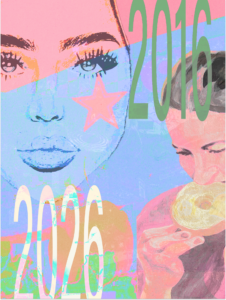
Nostalgia marketing uses positive memories to strengthen emotional connections with consumers.

Picture by: Harbingers' Project

News flash! It’s 2016 again. Well, not exactly. But with the recent resurgence of 2016 pop music, film cameras, low-rise jeans and the teaserfor the The Devil Wears Prada 2 movie, it certainly doesn’t feel like 2026 when you are looking at my Tik Tok’s ‘For You’ page.

We are experiencing a blast from the past. So why are we seeing so many old trends resurface?

It’s the power of nostalgia marketing.

Nostalgia is a sentimental longing for a past, typically for a past with positive associations. Nostalgia marketing taps into those feelings to create an emotional connection and comfort with its consumers, increasing purchase intentions, brand appeal and customer loyalty.

What’s interesting, however, is that my generation, Gen-Z, are yearning for a past that they have never experienced, a phenomenon known as anemoia. As younger Gen Zers inch closer to adulthood, many see the future as a scary black hole, hence why we are also called “doomers”.

As a result, we turn back to the past, hoping to find security and an escape from our real problems. Companies are more than happy to relive the past with us, capitalising on our obsession with nostalgia into a perfect market strategy.

The Devil Wears Prada 2 is a perfect example. The original film was released in 2006, way before today’s teens were even born, let alone old enough to watch or understand it. However, its revival has broken the internet, leaving many eager for its release in May of this year.

Remakes, sequels and spin-offs are safer for both movie makers and movie watchers. The cultural impact of famous movies never disappears. They live through trends and clips on the internet. Younger viewers are able to develop a second-hand emotional connection through online exposure.

Now, we feel as if we are participating in a time of throwbacks and reliving a golden era of film from the 2000s, increasing the appeal of such movies. On the other hand, studios capitalise on our yearning and minimise their financial risk by investing in a recognisable title with an established fan base, brand awareness and market appeal.

Financiers are more willing to invest in projects that were already successful in past box offices, and so the cycle of bringing back classics continues.

The same goes for fashion. Y2K is dominating many new collections: low-rise bootcut jeans, long-sleeved henley tops, mini-skirts, chunky shoes and baby tees. Most Gen Zers were barely two years old in the early 2000s, yet it takes up a lot of our wardrobe.

Social media plays a big role by resurfacing old paparazzi photos and vintage pieces, rebranding outdated as chic.

Through clothing, Gen-Z can quite literally ‘wear’ nostalgia, allowing us to embody a time that seems more fun and simple where social media did not exist to pressure us to perfection. Gap, Zara and Hollister, to name a few, are capitalising on this revival and releasing old collections or staples with a new twist such as green army jackets and motorcycle boots.

We also seem to need a break from the digital world in favour of analogue devices. I can see how the same cycle applies to things like film cameras, vinyls and 1980s music.


View this post on Instagram


A post shared by Harbingers’ Magazine (@hrb.mag)

Common denominator? These experiences help to slow down life and feel authentic. When an life ahead of us seems uncertain, we fall to the past for comfort. As long as we feel the need for comfort, nostalgia will never go out of style.

Written by:

author_bio

Jennifer Yung-Coak

Sport Section Editor 2026

New Hampshire, US

Jennifer Yung-Coak, born in 2009 in Hong Kong, studies in New Hampshire, United States. She joined Harbingers’ Magazine in August 2025 as part of the Japan Newsroom programme, where she began contributing articles to the magazine.

Since then, she has written on topics including architecture, international relations and human rights, while also bringing her enthusiasm for athletics to the newsroom. Her consistent work and dedication to the magazine led to her appointment as Sport Section Editor for 2026.

Jennifer is interested in design, business and economics, and plans to continue her studies at an American university.

In her free time, she enjoys travelling, drawing and playing sports, and also takes part in volunteer programmes working with children.

Jennifer speaks English, Cantonese and Chinese.

Edited by:

author_bio

Lola Kadas

Editor-in-Chief 2026

Budapest, Hungary

opinion

🌍 Join the World's Youngest Newsroom—Create a Free Account

Sign up to save your favourite articles, get personalised recommendations, and stay informed about stories that Gen Z worldwide actually care about. Plus, subscribe to our newsletter for the latest stories delivered straight to your inbox. 📲

Login/Register