



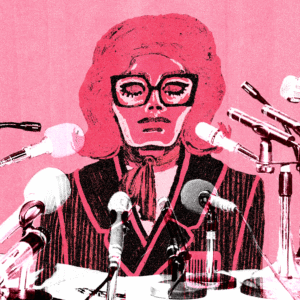
16-year-old Helena argues that modern celebrity interviews need to reclaim genuine curiosity and professionalism
Celebrity interviews have lost their depth. When you think of iconic celebrity interviews, moments such as Michael Jackson’s 1993 conversation with Oprah Winfrey or Princess Diana’s 1995 interview with Martin Bashir immediately come to mind.
These broadcasts captivated millions and became part of cultural history. They were about substance and artistry, offering genuine insight into the creative process or the person behind the public image.
Over time, however, the focus has shifted. Today’s interviews often prioritise short, funny exchanges designed for social media rather than thoughtful discussions about the work being promoted. This decline in depth comes largely from the rise of social media, the dominance of influencer-style interviewing and the pressure to produce easily shareable, viral content.
Harbingers’ Weekly Brief
Subscribe to the Harbingers’ Weekly Brief, a newsletter written by the editorial board of Harbingers’ Magazine, the world’s youngest newsroom, delivered to your inbox every Monday morning.
![author_bio]()
![author_bio]()


Social media changed journalism
Most celebrity interviews today are edited into short clips for TikTok, YouTube or Instagram. This leads to people not watching the full conversation but, rather, scrolling through the highlights.
The mystery around fame has faded – fans already see every month of a star’s life online. What once made these interviews powerful, the chance to surprise or have a moment of honesty, has been replaced by predictability.
At the same time, the rise of PR control and “cancel culture” has made celebrities more cautious and media-trained. The line between journalism and entertainment has blurred, with many interviewers acting more as influencers or brand collaborators rather than reporters. They are keeping it friendly and relatable, but not pushing for substance.
A good example is Alex Cooper’s Call Her Daddy podcast, which regularly tops Spotify ranks and features stars such as Khloé Kardashian, Sarah Jessica Parker and Ed Sheeran. In her 2024 interview with then rising music star Chappell Roan, Cooper often missed chances to dig deeper, letting the answers drift with a meaningful follow-up. Critics said her interviews prioritise conversational friendliness over investigative curiosity or journalistic rigour.
This tendency dominates in celebrity media nowadays. Yet this approach explains the popularity: fans enjoy feeling like they are eavesdropping on an informal chat between friends rather than watching a formal interview.
Another example is Chicken Shop Date, the British YouTube show hosted by Amelia Dimoldenberg. Instead of a polished studio, she meets celebrities in a local chicken shop for an awkward, funny and flirty chat.
Each episode is cut down from 40 minutes to just eight, keeping only the entertaining bits. The questions are random and playful – think “snog, marry, avoid?” – focusing more on humour and chemistry than deep conversation.
The overall goal of these interviews is not to uncover something new, but to create a clip that will go viral the next morning.
The way we experience fame has changed completely. Social media gives fans constant access to their favourite stars, making traditional interviews feel pointless.
The boundaries between old and new fame are blurred. Influencers are now treated as traditional celebrities, appearing at events such as the Met Gala and the Grammy awards, while traditional stars now shape their own narratives through direct posts and statements.
On the other hand, celebrities no longer need journalists to present their image – they can do it themselves. But self-control comes at cost: there are fewer opportunities for spontaneity or honesty. There is also fear of online backlash that discourages authenticity, so interviews have become safer but emptier.
What’s lost?
When interviews turn into pure entertainment, the art itself disappears. There is less talk about creativity – the music, the film or the book – and more focus on the personality, gossip or viral moments.
Instead of exploring what inspires someone’s creativity or shapes their worldview, interviewers now ask questions like “Who are you dating?” or “What’s your skincare routine?” This kind of journalism doesn’t spark reflection or insight.
Public conversation becomes shallow, driven by clicks rather than curiosity. Of course, sometimes watching interviews in this format can be fun and entertaining, the problem arises when all interviews are in only one format and are not diverse.
Finding balance
There is still hope for the format. Between Oprah-style depth and click-driven celebrity worship lies space for interviews that blend storytelling with engaging delivery.
One solution is bringing back trained journalists, who know what to ask and how to ask it. Vogue’s video series ‘Actors on Actors’ shows another way: while not led by journalists, conversations feel authentic because both participants speak with expertise and curiosity.
What keeps interviews compelling is genuine curiosity – a wish to understand, not just entertain. With curiosity comes professionalism, and with professionalism comes depth.
To move beyond shallow interviews, we need questions that reveal what audiences do not already see online – the ideas, doubts and inspirations that shape a person beyond the screen.

Edited by:

© 2026 The Oxford School for the Future